
Okay, so here’s the thing—wallets used to be clunky. Really clunky. Setting up a new Solana wallet used to feel like assembling furniture with no instructions. Wow. The Phantom browser extension changed that. It’s lightweight, fast, and folds into your browser so dApp interactions are just a click away. At first I thought it was just another wallet, but after a few weeks of daily use I realized how much of the friction it removes—though it’s not perfect, and that part bugs me.
Phantom runs as a browser extension for Chrome, Brave, Edge, and Firefox. It manages keys locally, gives you a clear UI for sending and receiving SOL and SPL tokens, and integrates with the majority of Solana dApps. My instinct said “nice,” and then I started testing swaps, staking, and connecting to games—things that used to require multiple steps now happen inside the popup without leaving the page. Something felt off about the early versions (permissions were messy), but the team has smoothed a lot of that out.
How to add Phantom to your browser—and what to watch for
First things first: always download from a trusted source. If you want a straightforward option, I recommend visiting the official download page—search links can be sketchy, so use a reliable reference like this one for the phantom wallet. Seriously—check the URL, check the extension author, and double-check reviews. Phishing is the number one rookie mistake.
Install steps in plain English: open your browser’s extensions store, search for Phantom (or use the link above), add the extension, then create a new wallet or restore from a seed phrase. Short tip—write your seed phrase on paper. I’ll be honest: I’ve seen people screenshot it and lose funds, so paper beats digital for backups. Also, choose a strong, unique password for the extension, because it’s the first line of defense if someone gets local access to your machine.
Onboarding feels quick. You set a password, get your 12-word backup, and you’re in. The wallet shows balances, recent activity, and an integrated swap UI. That swap feature is handy for fast trades without gas headaches, though remember slippage and DEX liquidity can bite you on certain tokens.
Oh, and by the way… if you use multiple machines, restore your seed phrase on the other device rather than exporting keys. It’s cleaner and less risky. Little things like that make a big difference when you start using defi dApps regularly.
Security and best practices
My quick, non-judgmental checklist:
- Backup seed phrase on paper; keep it offline in a secure place.
- Use a hardware wallet (Ledger) for larger balances—Phantom supports Ledger pairing via the extension.
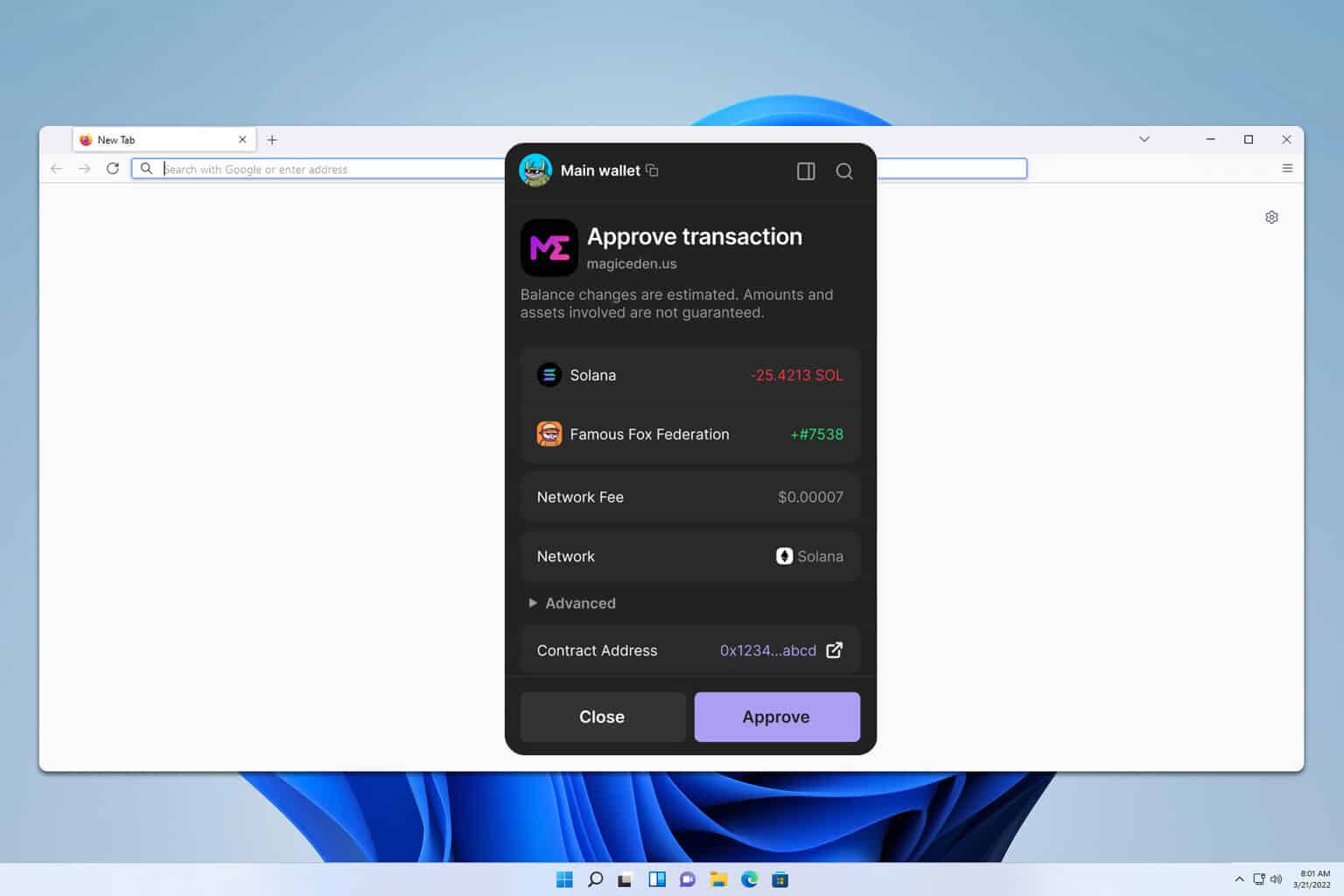
- Be careful with approvals: review dApp permission requests before clicking “connect” or “approve.”
- Keep your browser and extension updated; remove old extensions you don’t need.
Initially I thought approvals were fine, but after seeing a few scam dApps request excessive permissions I re-evaluated how casual I’d been. On one hand connecting is seamless; on the other, your wallet can be drained if you approve dangerous transactions. So pay attention. And don’t sign things you don’t recognize—simple, yet effective.
Phantom also added a built-in token list and phishing detection, which helps, though you shouldn’t rely exclusively on it. Tools are tools—human judgment matters.
Using Phantom with dApps, swaps, and staking
Connecting to a marketplace or game is typically a single click: the site prompts the Phantom popup, you confirm, and you’re connected. Nice. The token swap UI aggregates liquidity and executes trades directly from your account. I used it for small token swaps and it saved me time. For large trades, however, I still use dedicated DEX interfaces or check order books; liquidity can be deceptive on smaller pools.
Staking SOL inside Phantom is straightforward too. You can view validators, delegate, and track earnings without leaving the extension. If you care about decentralization, look at validator uptime and commission. Some delegations feel attractive because of high yields—my instinct warns to check validator reputation before locking funds.
Troubleshooting quick fixes
Extension not showing up? Try restarting the browser or reinstalling the extension (after you’ve safely backed up your seed). If a dApp won’t connect, clear site data or try an incognito window with just Phantom enabled to rule out conflicts. If you lose the extension or machine, restore using your seed phrase on a clean device—again, paper backup saved the day more than once for me.
FAQ
How do I restore my wallet if I lose access?
Install Phantom on a new browser, choose “Restore from seed,” and enter your 12-word phrase. Make sure you enter words in the exact order and spelling—no extra spaces. After restoring, set a new password for the extension and consider pairing a hardware wallet for extra safety.
Is the extension safe to use with large amounts of SOL?
The extension itself is widely used and reputable, but for significant amounts it’s wise to use a hardware device like Ledger. Phantom supports Ledger, and that combination keeps private keys offline while letting you interact with dApps.
Why can’t I see a token in my balance?
Sometimes tokens need to be added manually or the token list is outdated. You can add a custom token address inside Phantom. Verify the token contract address from a reliable source before adding—there are many scam tokens.

Customer Reviews
Thanks for submitting your comment!