
Whoa! Security feels like a moving target these days. My gut said that browser extensions were getting safer, but then I watched a friend lose access to funds in a way that made my stomach drop. Initially I thought it was just phishing, though actually it turned out to be a subtle allowance creep in an extension — permissions granted once, then quietly used later. Here’s the thing: you can tighten one layer and still be exposed by another, and that tension is where most people slip up.
Really? Yes. Browser wallets are convenient. They are also a juicy attack surface for attackers who love to automate things at scale. On one hand the UX wins — fast swaps, permission prompts, profile syncing — but on the other hand those same conveniences multiply risk vectors. My instinct said treat every permission like cash until proven otherwise, and that approach saved me from somethin’ dumb more than once.
Whoa! People keep treating private keys like passwords. That’s a mismatch. Private keys are secret, durable, transaction-signing machines — not things you should paste into forms. Actually, wait—let me rephrase that: never paste your seed anywhere, ever, and be suspicious when an extension asks for too much. On the deeper level there are three recurring categories of failure: credential exposure, permission abuse, and social-engineered approvals.
Seriously? Yep. Credential exposure is often simple carelessness. A user copies a seed phrase to a cloud note. Oops. A wallet sync feature stores encrypted data but the master password is weak. Double oops. And sometimes extensions leak metadata that helps an attacker craft a better phish — transaction history, connected sites, even token balances act like breadcrumbs.
Hmm… permission abuse is sneakier. Browser extensions request rights — tab access, webRequest hooks, clipboard read — and those are powerful. My colleague once left an extension with full site access enabled, and an adversary used that to inject UI overlays that mimicked confirmations. On one hand permission prompts are supposed to be a check, though actually users click through because they want the feature now. That cognitive shortcut is a fundamental human factor problem.
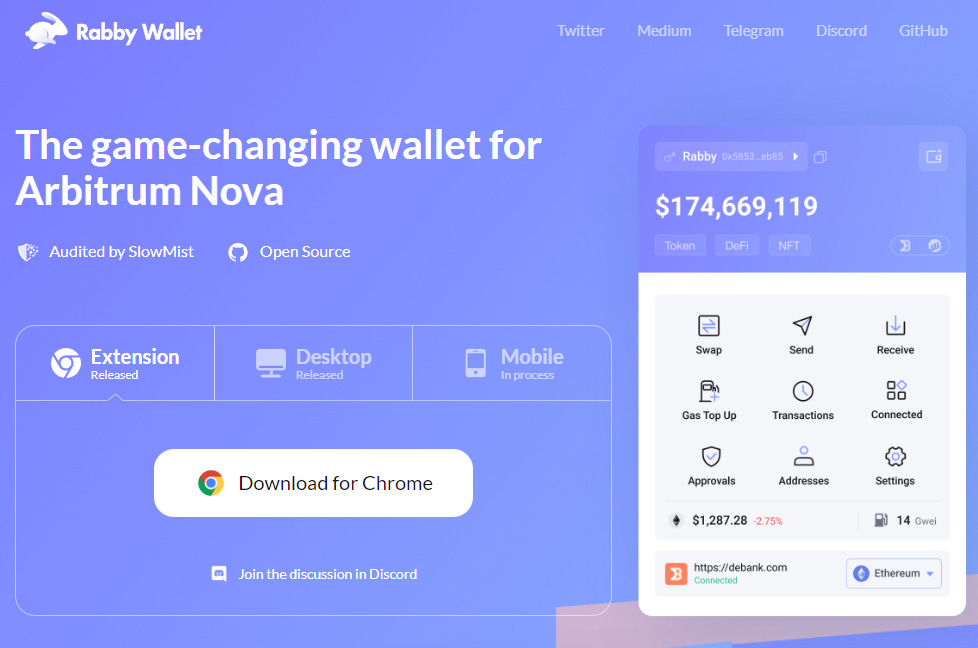
Here’s the thing. Best practice doesn’t stop at “use a wallet.” You need a wallet you can inspect and that minimizes attack surface. I like wallets that separate signing from browsing, and that give clear, granular permission controls. rabby wallet solved several of these pains for me in real usage: quick approvals, explicit allowance revokes, and a UI that tries to explain what a signature actually does. I’m biased, but when your wallet makes the dangerous action obvious, you end up doing fewer dumb things.
Whoa! Transaction pop-ups can lie. They show numbers, targets, sometimes even familiar logos. But the content displayed in a pop-up can be manipulated if the extension or the website is compromised. Initially I assumed a popup equaled safety, but then I learned to cross-check on-chain data via a block explorer before approving big actions. That extra ten seconds is annoying but worth it.
Really? Yes. Smart contract approvals are the silent money-laundering tool. You give an allowance and forget it. Over time these allowances accumulate like junk subscriptions. You need to audit and revoke allowances regularly — and use tools that show the real permissions, not a prettified version that obfuscates the spender’s address or the scope. Also, don’t blindly trust “approve max” flows; they’re lazy and they cost you long-term security.
Hmm… hardware keys help, but they’re not a silver bullet. They protect the private key during signing, which is huge. However, social engineering can still trick you into signing a malicious transaction that you confirm because the pop-up text looks right. On the other hand, using a hardware device forces an extra mental step and usually slows down attackers. So I carry one now, and it changes my decision-making rhythm — enough to stop me from sloppy approvals.
Whoa! Recovery strategies matter. Seed phrases, cloud backups, password manager notes — all of these have tradeoffs. Initially I thought a paper backup was enough, but then a flood risk, then a move, then the realization that a single copy is fragile. So I moved to layered backups: a hardware backup, a split phrase in two physical locations, and a recovery plan that a close trusted person can execute under an emergency protocol. It sounds dramatic, but losing funds is more dramatic.
Here’s the thing. UX and security must meet halfway. Wallets that force good hygiene by design win. That means clear permission UIs, granular revocations, transaction previews that tie to readable intent, and sane defaults that avoid over-permissioning. It also means educating users without blaming them for being human — because people will click, and attackers know that.
Practical checklist for safer browser wallet use
Wow! Keep it simple. Use hardware signing for big amounts. Avoid copy-pasting your seed; never store it in cloud notes. Limit extension permissions — enable site access only when you need it, then disable. Revoke token allowances routinely. Use wallets that surface the contract and method you are signing, and if something reads weird, back out and investigate. Also, consider browser profiles or separate browsers for high-value accounts; compartmentalize like you would in real life.
I’ll be honest: no single measure is perfect. On one hand you can layer protections until it feels impenetrable, though on the other hand too much friction makes people take risky shortcuts. The balance is personal and contextual. For a daily small-balance wallet, convenience might win. For your main stash, add hardware, granular permissions, and a recovery ritual.
Common questions people actually ask
Is a browser extension wallet secure enough for savings?
Hmm… it depends on what you call savings. If you want long-term custody of significant funds, treat an extension like a hot wallet: fast access, higher risk. Move most funds to a cold storage setup and keep a working balance in the extension for active use. Use a hardware signer for large transactions whenever possible.
How do I know if a wallet extension is trustworthy?
Look for open-source code, active audits, and a transparent permissions model. Community reputation matters — check forums, GitHub issues, and changelogs. Also test small transactions first and see if the UI explains what you’re signing. For a practical choice, try rabby wallet to see how clearer permission flows feel in daily use.

Customer Reviews
Thanks for submitting your comment!